
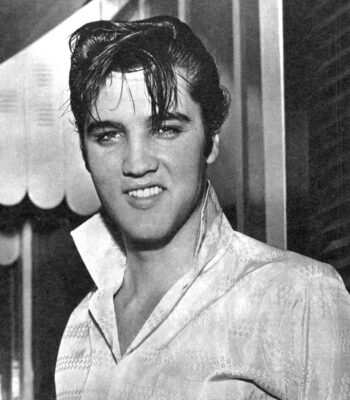
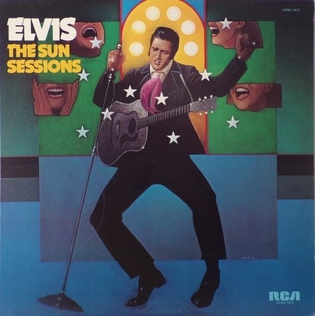
Elvis Presley, born on January 8, 1935, in Tupelo, Mississippi, was an American singer and actor, widely regarded as one of the most significant cultural icons of the 20th century. Known as the “King of Rock and Roll,” Presley revolutionized popular music with his blend of rhythm and blues, country, and gospel influences. He became an international sensation in the 1950s and maintained his status as a pop culture phenomenon until his death on August 16, 1977, in Memphis, Tennessee. In 1953, Presley recorded his first demo at Sun Studio in Memphis, catching the attention of producer Sam Phillips. In 1954, he recorded “That’s All Right,” which became his first radio hit and is often considered the birth of rock and roll. By 1956, Presley signed with RCA Victor and released his debut self-titled album Elvis Presley, which included his first No. 1 single, “Heartbreak Hotel.” In 1956, he also made his first appearance on The Ed Sullivan Show, which solidified his status as a national icon despite initial controversy over his provocative dance moves. In 1958, Elvis was drafted into the U.S. Army, temporarily halting his music career. He served for two years and resumed recording upon his return. In 1960, Elvis returned to music and acting, releasing the hit album Elvis Is Back!, followed by a series of popular films throughout the 1960s, including G.I. Blues, Blue Hawaii, and Viva Las Vegas. Though his film career was successful, his music during this time became more commercial and formulaic. In 1968, he staged the “’68 Comeback Special,” a televised concert that revitalized his career and returned him to his rock roots. From 1969 to 1977, Presley performed sold-out shows in Las Vegas and toured extensively across the United States. In 1973, he made history with the “Aloha from Hawaii” concert, which was the first concert to be broadcast globally via satellite. Elvis Presley is often credited with bringing African American rhythm and blues into mainstream popular culture, merging it with country music and gospel influences. His energetic performance style, combined with his distinctive voice, set him apart from his contemporaries. He also helped break racial barriers in the 1950s, as his music was embraced by both black and white audiences. Elvis had a close relationship with his mother, Gladys, and her death in 1958 deeply affected him. He was known for his extravagant lifestyle, especially in the later years of his life, marked by his Graceland mansion and his love for flashy outfits and cars. He struggled with prescription drug abuse, which contributed to his declining health and untimely death at the age of 42. Elvis Presley’s musical influences ranged from country stars like Hank Snow to gospel quartets such as the Statesmen. He was also heavily inspired by African American blues and rhythm and blues artists, including B.B. King, Arthur “Big Boy” Crudup, and Ray Charles. His ability to combine these diverse musical styles helped create a new sound that shaped the future of rock and roll. Even today, Presley’s influence on music, fashion, and pop culture remains substantial, with countless artists citing him as a major influence on their own careers.
